
By the Omozing Credit Team, which includes IIT and IIM alumni · Updated October 2026 · 9-minute read
What a credit score is, and why you should see yours first
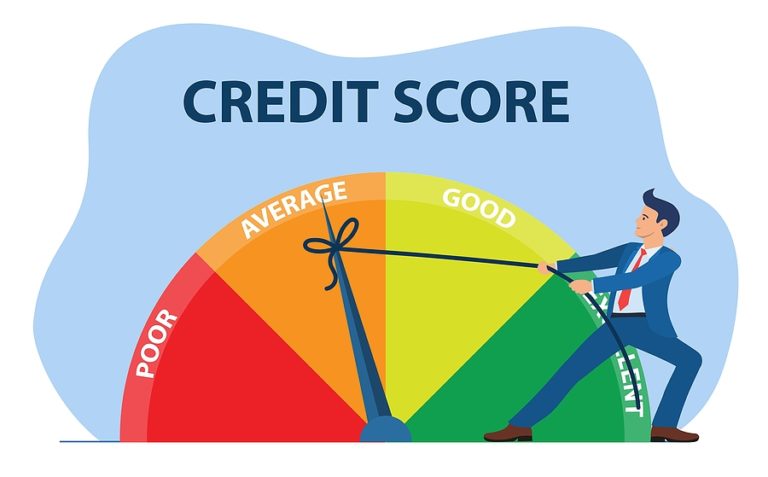
A credit score is a three-digit number from 300 to 900 that summarises how you have handled credit: loans, credit cards, EMIs and overdues. Banks and NBFCs use it, along with the full credit report behind it, to decide whether to lend to you and at what price.
Most people see their score for the first time when a loan is rejected. By then the damage is done: the rejection itself leaves an enquiry on the report, and the real problem, often a forgotten card due or a wrong entry, is still sitting there. Checking free, before you apply, lets you fix errors, plan your timing and apply only where you are likely to be approved.
The four bureaus and where to check each for free
India has four RBI-licensed credit information companies. Lenders report to all of them, but not always identically, so your four scores can differ by a few points or, if one bureau has an error, by a lot. A lender may pull any one of them, which is why it pays to look at all four over a year.
| Bureau | Official website | What you get free | Worth knowing |
|---|---|---|---|
| TransUnion CIBIL | cibil.com | One free full report and score a year; paid plans for more frequent access | The “CIBIL score” most lenders mention. The site promotes paid plans prominently, so look for the free option. |
| Experian | experian.in | One free full report a year | Many banks and fintech apps show your Experian score inside their apps. |
| Equifax | equifax.co.in | One free full report a year | Often the one people forget; errors here go unnoticed for years. |
| CRIF High Mark | crifhighmark.com | One free full report a year | Widely used by microfinance and small-ticket lenders, so small app loans and credit lines often show up here. |
Always type the bureau’s address yourself or use your bank’s app. Ignore links in SMS or WhatsApp messages offering a “free CIBIL check”: many are lead-generation or phishing pages.
How to check your score free: the common steps
Each bureau’s screens look a little different and change from time to time, but the process is the same everywhere.
Go to the official site
Open the bureau’s website and choose the free credit report or free score option, not a paid subscription.
Enter your details exactly as in your PAN records
Full name, date of birth, PAN, mobile number, email and address. Mismatches are the most common reason the bureau cannot find your file.
Verify with an OTP
You will receive a one-time password on your mobile or email. Some bureaus also ask a few questions about your existing loans or cards to confirm it is really you.
View and download your report
Save the PDF with the date in the file name. You will want to compare it with the next one.
Read it line by line
Do not stop at the score. Check every account, its status, overdue amount and payment history. Our guide to reading your CIBIL report like a pro explains each section.
The bureau never needs your bank password, card PIN or any payment to show you the free report. If a site asks for any of those, close it.
The free check-up calendar: one bureau every quarter
Because each bureau gives you one free full report a year, you can stagger them. Pull CIBIL in January, Experian in April, Equifax in July and CRIF High Mark in October. You see a complete, fresh report every three months and never pay a rupee.
A year of free credit check-ups
The order of bureaus is only a suggestion. Any rotation works, as long as each bureau’s free report is used once in the calendar year.
Two moments justify an extra check: about a month before a big loan application, and about 45 days after you close a loan or settle a dispute, to confirm the bureau has been updated. Free scores in your bank or a regulated fintech app are fine for those in-between peeks.
What the free report shows you
Personal and contact details
Name spellings, dates of birth, PAN, addresses and phone numbers lenders have reported. Old or wrong addresses can be a sign of a mixed-up file.
Every account
Each loan and card, open or closed, with sanctioned amount, current balance, overdue amount and status such as “settled” or “written off”.
Payment history
Month-by-month record of whether you paid on time, usually shown as days past due. This is the biggest driver of your score.
Enquiries
Every time a lender pulled your report after you applied. Many enquiries in a short period tell lenders you are hunting for credit.
What to look for when you open it
- A loan or card you never took. It could be identity misuse or another person’s account merged into yours.
- A loan you closed still showing as active, or with an overdue balance.
- “Settled” or “written off” against an account you paid in full.
- Late payments in months you know you paid on time.
- Enquiries from lenders you never applied to.
- Small app loans you forgot about, still overdue and quietly pulling your score down.
If you find a mistake, raise a dispute with the bureau that shows it. It is free, and our step-by-step guide to raising a CIBIL dispute covers how. If the errors are many or the lender is slow to respond, our CIBIL dispute resolution page explains how bureaus and lenders handle corrections.
Free credit score myths
| Myth | Reality |
|---|---|
| Checking my score will lower it. | Checking your own score is a soft enquiry. Only lender enquiries after you apply count. |
| All four bureaus show the same score. | Each bureau has its own data and model. Differences are normal; big gaps usually mean an error at one bureau. |
| A free score from an app is not real. | Scores shown by banks and regulated apps come from a bureau. Just note which bureau it is. |
| I need to pay to see my report. | Each bureau must give you one free full report a calendar year. Paid plans only add frequency and alerts. |
| No loans means a perfect score. | No history often means no score at all. Lenders cannot judge a file they cannot see. |
For more, see 15 common credit score myths.
Your score is lower than you hoped. What next?
A score between 600 and 700 is not the end of the road. It means you need to apply carefully: fix any errors first, clear small overdues, avoid applying to many lenders at once, and choose lenders who read the full report rather than reject on a single number.
Omozing considers salaried applicants with a credit score from 600 and a take-home salary of ₹40,000 or more. A credit officer reads your full report, so a single old blemish does not decide the outcome on its own. If you want a structured plan to rebuild your score first, our Credit Score Booster programme is designed for that.
Checked your score? See where it gets you
If your score is 600 or more and you earn ₹40,000+ a month in salary, you may qualify for an Omozing personal loan. Rates start from 11% a year, and the Key Fact Statement shows every cost before you sign.
Frequently asked questions
How can I check my credit score for free in India?
Go to the official website of any of the four bureaus (TransUnion CIBIL, Experian, Equifax or CRIF High Mark), enter your PAN and personal details, verify with an OTP and download your report. Many banks and regulated apps also show a free score.
How often can I get a free credit report?
Each bureau must give you one free full credit report every calendar year. By rotating between the four bureaus, you can get a free report every three months.
Does checking my own credit score reduce it?
No. Checking your own score is a soft enquiry and has no effect. Only hard enquiries, made by lenders when you apply for credit, are counted.
Why is my CIBIL score different from my Experian score?
Each bureau receives slightly different data and uses its own scoring model, so small differences are normal. A large gap usually means one bureau has an error or a missing account worth checking.
Can I download my CRIF credit report without logging in?
You need to register and verify your identity with an OTP before any bureau shows your report. This protects your data. Avoid sites that promise a report without verification.
What is a good credit score in India?
Most lenders treat 750 and above as strong. Scores from 600 to 750 can still qualify with some lenders, especially if your income is stable and your recent payments are on time.
What should I do if I find an error in my credit report?
Raise a dispute with the bureau that shows the error, through its website, with any supporting documents. The bureau checks with the lender and updates the report if the lender confirms the correction.
Omozing is the digital lending brand of Aparampaar Finance Private Limited, an RBI-registered non-deposit-taking NBFC. We do not run a credit bureau and cannot change bureau data ourselves. See our regulatory disclosures and grievance redressal process.