
By the Omozing Credit Team · Updated October 2026 · 7-minute read
A single rejection is a setback. Two or three in a month is a pattern, and it is often self-inflicted. This guide is for people caught in that loop. If you have just had your first rejection and want to understand the reason, start with our step-by-step guide on what to do after a loan is rejected due to a bad CIBIL score. Here we focus on stopping repeated rejections and getting back to a single, strong application.
The rejection spiral
How repeated applications make things worse
Checking your own score is a soft enquiry and does not count. Hard enquiries are made when a lender checks your report for an application.
Every lender you apply to pulls your report. Several hard enquiries in a short time tell the next lender you are hunting for credit and perhaps being turned down. Combined with a score that was already low, that can be enough for an automated system to reject you before a person ever looks. More on this in does applying for multiple loans affect your score.
6 steps to break the cycle
Stop applying for 60 to 90 days
No new loan or card applications, and say no to “pre-approved” pop-ups that run a full check. Use the time to fix the report.
Pull all four bureau reports
Lenders may use TransUnion CIBIL, Experian, Equifax or CRIF High Mark. You are entitled to one free full report from each every calendar year. Read them account by account, not just the score.
Dispute every error
A closed loan still showing as open, a payment marked late that wasn’t, an account that isn’t yours: each can be corrected for free. Use our CIBIL dispute guide.
Clear anything overdue
An open overdue account weighs more than almost anything else. Pay it in full if you can, get a no-dues certificate, and check the report updates.
Reduce card balances and small EMIs
Keep card use under about 30% of the limit before the statement date, and close the smallest loans first to free up EMI room. If you are juggling several app loans, SmartSwitch can replace them with one EMI.
Make one well-prepared application
Choose a lender whose stated criteria you meet, add a co-applicant if it helps, and submit complete documents the first time.
Ten quick applications count against you. One prepared application counts for you.
“Negative”, “minus” or “-1” CIBIL score: what it means
Some people searching after a rejection find their score shown as -1, NA or NH. That is not a negative score in the sense of being bad.
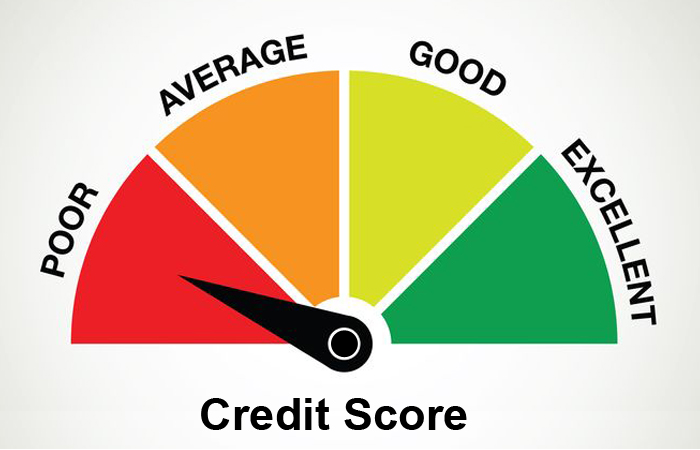
| What you see | What it means | What to do |
|---|---|---|
| -1, NA or NH | No credit history, or too little recent history to score | Build history with a small secured card or loan. See loans with no credit history. |
| 300–599 | Low: serious delays, defaults or heavy debt | Follow the six steps above before applying |
| 600–700 | Fair: some past problems, often recoverable | Lenders that read the full report may consider you |
| 700+ | Good to strong | If you are still rejected, the cause is likely income, EMIs or documents |
Bands are a general guide; each lender sets its own policy. For what moves the number, see what a low CIBIL score means and why it happens.
A realistic 90-day plan
From repeated rejection to one strong application
Indicative. Lenders usually report monthly, so changes take a cycle or two to appear. How much your score moves depends on your whole report; no one can promise a specific increase.
What to avoid while you rebuild
- Instant loan apps that “approve anyone”. They are expensive, and some are illegal. Check any app against the RBI directory using our guide to RBI-registered loan apps.
- Anyone asking for an upfront fee before approval. Genuine lenders don’t.
- Agents who offer to “remove negatives” from CIBIL. Accurate entries can’t be removed; errors can be disputed free.
- Settling a loan for less just to close it, if you can afford to pay in full. Settled is itself a negative remark.
- Closing your oldest credit card. It shortens your history and can raise utilisation.
Where Omozing fits in step 6
Omozing, the digital lending brand of RBI-registered NBFC Aparampaar Finance, is built for the applicant who has done the work but still gets filtered out by automated cut-offs. If you are salaried, take home ₹40,000 a month or more and your score is 600 or above, a credit officer reads your full report and two documents: six months of salary-account statements and your latest salary slip. Co-applicants are welcome. Rates start from 11% a year, and every cost is in the Key Fact Statement before you sign. If your score is below 600 today, our Credit Score Booster can help you plan the steps above.
Ready for one strong application?
If your score is 600 or more, apply where a person reads the whole report rather than a single number.
Frequently asked questions
How long should I wait to reapply after a loan rejection?
If the rejection was score-related, waiting 60 to 90 days while you fix errors, clear overdues and cut balances usually gives a better result than reapplying straight away. Each new application adds a hard enquiry.
Does a loan rejection itself appear on my CIBIL report?
The rejection is not recorded as such, but the lender’s hard enquiry is. Several enquiries in a short period can lower your score and concern other lenders.
What does a CIBIL score of -1 mean?
A score of -1, NA or NH means there is no credit history, or not enough recent history to calculate a score. It is not the same as a bad score, but you will need to build some history or choose a lender that assesses thin files.
Can I take a loan to clear my bad CIBIL?
A loan does not clean a report by itself. But consolidating several costly debts into one affordable EMI, and then paying it on time, can help you stop missing payments. Make sure the new EMI fits your budget first.
How can I remove negative entries from my CIBIL report?
Only inaccurate entries can be removed, through a free dispute with the bureau. Accurate negatives remain visible for years, but their weight falls as you add on-time payments.
Should I go to a credit counsellor?
A reputable, transparent counsellor can help you plan, but avoid anyone who charges to “delete” entries. Many people can follow the six steps here on their own.
Omozing is the digital lending brand of Aparampaar Finance Private Limited, an RBI-registered non-deposit-taking NBFC. Loans are subject to credit assessment. See our regulatory disclosures and grievance redressal process.